How Moles Destroy Lawns, Roots, and Irrigation Systems
If you're concerned about how moles destroy lawns, roots, and irrigation systems, local contractors can provide effective mole removal solutions to protect your yard.
Understanding how moles destroy lawns, roots, and irrigation systems is essential for property owners facing persistent underground disturbances. Moles tunnel extensively beneath the surface, creating networks that can loosen soil, damage plant roots, and compromise irrigation lines. This kind of damage often leads to uneven grass, unsightly mounds, and costly repairs if left unchecked. Property owners in the area who notice these issues may find that professional yard mole removal services can help address the root cause, restoring the health and appearance of their landscape.
Exploring this topic is especially relevant for those who value a lush, well-maintained yard and want to prevent ongoing damage caused by these underground pests. Local contractors specializing in mole removal understand how these creatures operate and can implement effective strategies to mitigate their impact. By working with experienced service providers, property owners can protect their lawns, roots, and irrigation systems from further harm, ensuring their outdoor spaces remain functional and visually appealing. Keep reading to learn more about how moles affect your property and the options available for effective removal.
- Common Projects Services
- Mole removal for lawns - homeowners noticing extensive mole tunneling that disrupts grass health and appearance can rely on local contractors to eliminate the pests and restore lawn integrity.
- Root damage repair - when moles disturb tree roots or garden plants, local service providers can assess and address the damage to protect plant health and prevent further destruction.
- Irrigation system protection - signs of mole activity near sprinklers or underground pipes indicate the need for professionals to prevent or repair damage caused by mole burrowing.
- Landscaping restoration - after mole activity has created uneven ground or holes, local pros can level and reseed the affected areas to improve lawn safety and aesthetics.
- Preventative mole control - property owners seeking to reduce future damage can work with local contractors to implement effective mole deterrent strategies and monitoring.
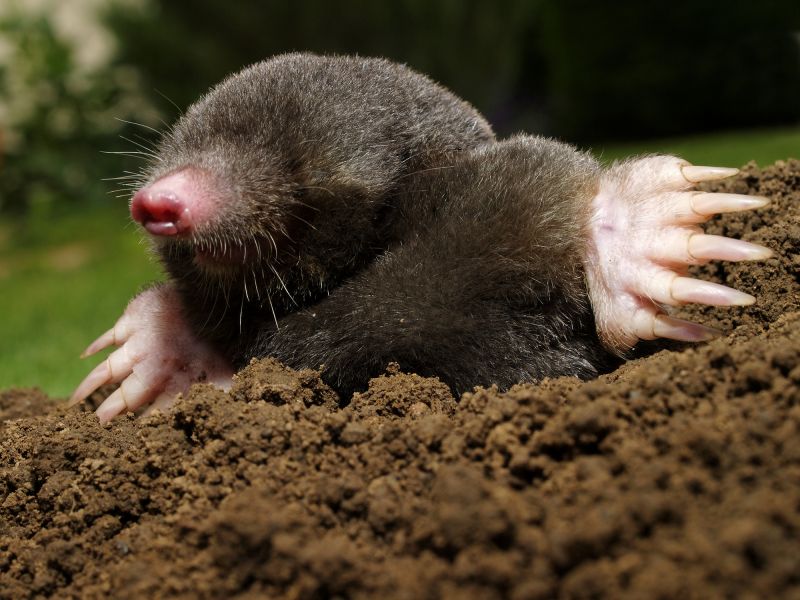
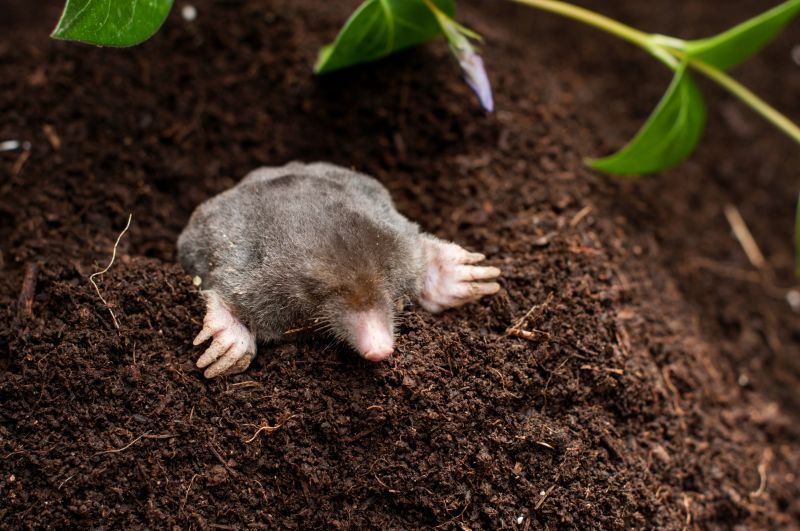
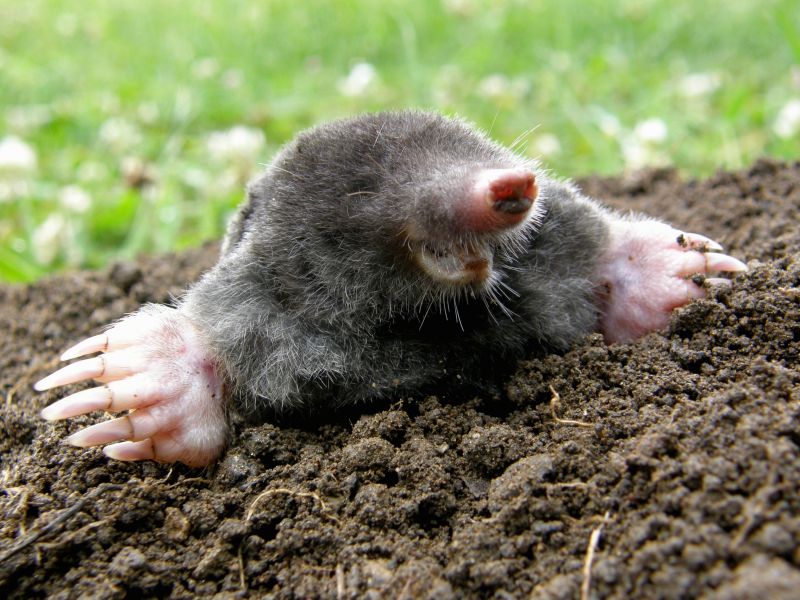
When people search for how moles destroy lawns, roots, and irrigation systems, they are often trying to understand the specific damage these burrowing animals can cause to their property. Moles are small, subterranean mammals that create extensive tunnel systems beneath the surface, which can lead to noticeable upheavals in turf and landscaping. Homeowners may notice raised ridges, uneven patches, or mounded soil in their yard, indicating mole activity. This search often stems from concerns about the health and appearance of their lawn, as well as worries about potential damage to underground irrigation lines or plant roots that can threaten the overall integrity of their landscape.
The problems associated with mole activity are typically linked to disruption of the lawn’s surface, damage to plant roots, and interference with underground irrigation systems. As moles tunnel through soil, they loosen and displace the ground, creating unsightly ridges and holes that can make mowing and walking across the yard difficult. Their tunnels can also undermine the roots of grass and other plants, leading to patches of dead or thinning turf. Furthermore, moles may inadvertently damage irrigation lines or sprinkler heads by burrowing too close, which can result in leaks, broken pipes, or uneven watering. These issues often prompt homeowners to seek solutions that address both the visible damage and the underlying causes.
Certain types of properties tend to be more affected by mole activity, particularly those with well-maintained lawns, gardens, or extensive landscaping. Residential yards with moist, loose soil are especially attractive to moles, as they provide easy digging conditions and access to food sources like grubs and insects. Properties with mature trees, flower beds, or vegetable gardens may experience more noticeable damage since moles can disturb roots and undermine plant stability. Additionally, properties with underground irrigation systems are at risk of disruption, which can compromise watering schedules and plant health. Homeowners with these features often look for professional services to effectively manage and remove moles, restoring the health and appearance of their outdoor spaces.
Local service providers specializing in yard mole removal play a key role in addressing these issues. They offer targeted solutions to eliminate moles and prevent further damage, including trapping, baiting, or installing barriers to keep these animals away. These professionals understand how to identify active mole tunnels and assess the extent of the infestation, ensuring that the damage to lawns, roots, and irrigation systems is minimized. Connecting with experienced contractors can help homeowners develop a comprehensive plan to control mole populations and protect their landscape investments. By working with local pros, property owners can restore their yards to a healthy, even, and functional state, free from the disruptions caused by these burrowing pests.
Lawn aeration services involve soil and root management techniques that are similar to mole control, helping to restore lawn health affected by tunneling pests.
Garden trenching and planting require planning and tools similar to those used in removing mole tunnels and repairing damaged irrigation lines.
Underground sprinkler system installation involves careful planning of irrigation layouts, which can be impacted by mole activity and root disruption.
Soil leveling and grading are often necessary after mole damage to restore proper drainage and prevent further issues with roots and irrigation systems.
Root pruning and removal are related projects that address damage caused by moles, roots, and other underground pests affecting lawn stability.
Drainage system repair services deal with underground infrastructure that can be compromised by mole activity and root intrusion, similar to irrigation system issues.
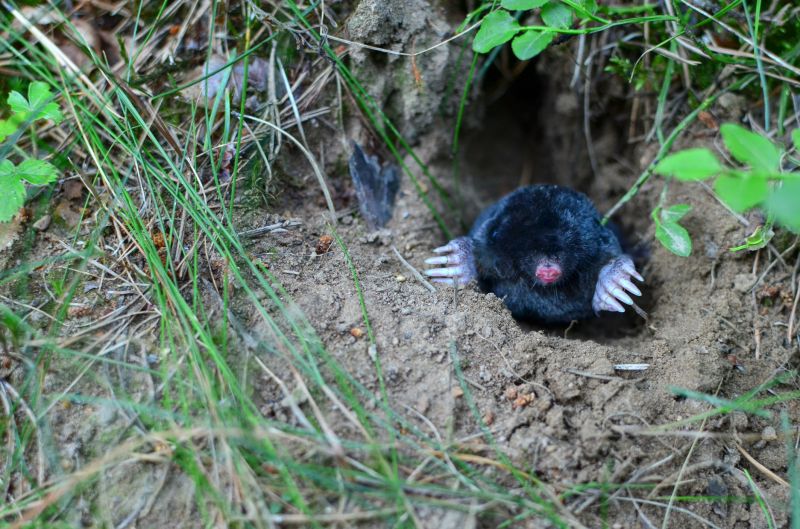
When comparing service providers for yard mole removal, it is important to consider their experience with similar projects. Local contractors who have handled cases involving how moles destroy lawns, roots, and irrigation systems are more likely to understand the specific challenges involved. An experienced professional can assess the extent of the mole activity, identify the root causes of damage, and recommend effective removal strategies. This familiarity with the nuances of mole behavior and damage can lead to more efficient and lasting solutions, reducing the likelihood of recurring issues.
Clear written expectations are essential when evaluating potential service providers. A reputable contractor should be able to outline the scope of work, what methods will be used, and any necessary follow-up measures. Having these details in writing helps ensure that both parties are aligned on the process and outcomes. It also provides a basis for accountability and clarity, making it easier to compare different options and select a provider who communicates transparently and professionally.
Reputable references and good communication are key indicators of a reliable yard mole removal service. Service providers with positive feedback from previous clients often demonstrate a track record of successful projects and satisfied homeowners. Additionally, a contractor who maintains open lines of communication and responds promptly to questions can make the process smoother and less stressful. When comparing local pros, it is worthwhile to inquire about their references and observe how clearly they explain their approach, ensuring that homeowners feel confident in their choice of a qualified and trustworthy professional.
Property owners often search for how moles destroy lawns, roots, and irrigation systems when they are planning practical projects around their homes and businesses. Local pros provide Yard Mole Removal services for everyday jobs and straightforward project options.
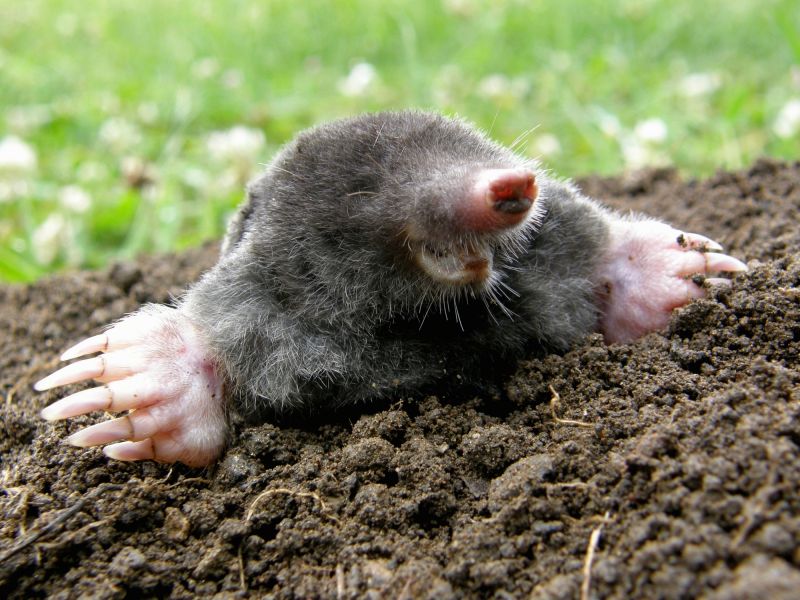
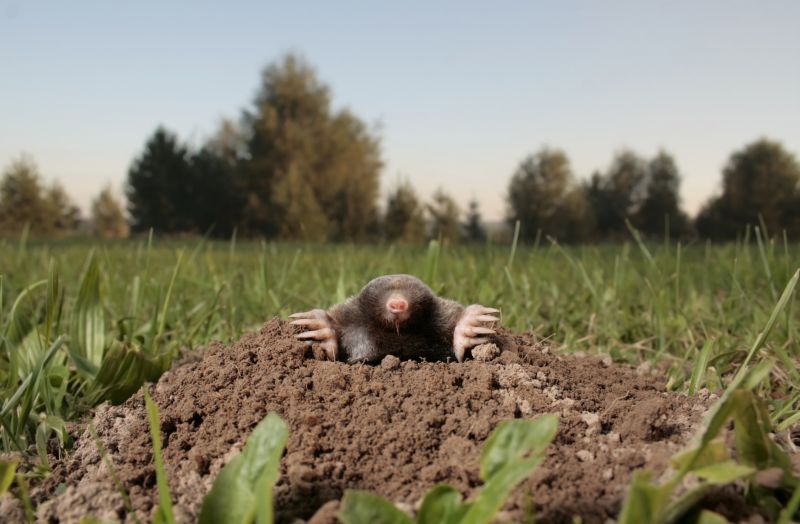
Moles can cause significant damage to lawns by creating tunnels that disturb the soil and roots beneath the surface. As they burrow, they often leave behind raised ridges and uneven patches, making the lawn difficult to mow and less aesthetically pleasing. This underground activity can also compromise the stability of plant roots, leading to weakened or dying grass and plants. Property owners noticing sudden changes in their lawn’s appearance or feeling an increase in mole activity might consider reaching out to local contractors who specialize in yard mole removal to prevent further destruction.
In addition to harming the grass and roots, moles can also disrupt irrigation systems by tunneling through sprinkler lines or underground pipes. This damage can lead to leaks, uneven watering, or system failures, which in turn affect the health of the landscape. Homeowners experiencing these issues may find it beneficial to connect with local service providers experienced in mole control and yard maintenance. These professionals can assess the situation and implement effective removal strategies to protect the lawn, roots, and irrigation infrastructure from ongoing damage.
How do moles damage lawns and irrigation systems? Moles create tunnels beneath the surface that can disturb the root systems of grass and plants, leading to uneven turf and potential damage to underground irrigation lines.
Can yard mole removal prevent further destruction of roots and irrigation? Yes, professional mole removal services can eliminate moles, reducing the risk of ongoing damage to roots and irrigation systems caused by their tunneling activity.
What signs indicate moles are damaging my lawn or irrigation? Signs include raised ridges or mounds on the lawn, irregular patches of dead grass, and visible tunnels or molehills that can interfere with sprinkler heads and underground pipes.
How do local contractors remove moles without harming the lawn or irrigation? Experienced service providers use humane trapping or exclusion methods to remove moles and may recommend repairs to damaged irrigation components to restore system integrity.
Are there ways to protect irrigation systems from mole damage? Yes, professionals can install barriers or reinforce vulnerable areas around irrigation lines to prevent moles from tunneling underneath and causing damage.
Identify mole activity signs - property owners can look for surface mounds and tunnels to determine if moles are damaging their lawns, roots, or irrigation systems.
Plan yard restoration projects - after mole removal, local contractors can help repair damaged grass, replant affected areas, and restore irrigation lines.
Implement preventative measures - property owners might consider installing barriers or natural repellents to reduce future mole activity and protect their landscape.
Schedule regular inspections - routine evaluations by local pros can catch early signs of mole damage, minimizing long-term harm to lawns and underground systems.
If you are thinking about how moles destroy lawns, roots, and irrigation systems for a property, this guide is meant to help you understand this topic, the typical project types, and how different options might fit your plans.
When you are ready, you can use the quote form on this page to share a few details about your project. From there, local pros can review the basics and follow up with options that match what you have in mind.