Wildlife Removal vs. Pest Control: Understanding the Difference
Wildlife removal and pest control services help homeowners eliminate unwanted animals or insects, with local service providers specializing in safe, effective solutions tailored to each situation.
If you're facing unwanted visitors on your property, understanding the difference between wildlife removal and pest control is an important first step. Many property owners in the area encounter situations where animals like raccoons, squirrels, or bats have taken up residence, while others deal with insects such as termites, ants, or roaches. Recognizing which type of service is appropriate can help ensure the problem is handled effectively. Local service providers specializing in wildlife removal or pest control are equipped to address these issues, offering tailored solutions that match the specific nature of the intrusion. Keep reading to learn how these services differ and how they can help protect your property.
Knowing whether you need wildlife removal or pest control can make a significant difference in resolving your concerns efficiently. Wildlife removal services typically focus on humane eviction and exclusion of larger animals that have entered your home or yard, while pest control often targets smaller pests that infest structures or food sources. Connecting with the right local contractors can help ensure that the problem is addressed properly, preventing future issues and safeguarding your property. As you explore this topic, you'll gain a clearer understanding of which approach fits your situation best and how local experts can assist in managing these common property challenges.
- Wildlife removal - needed when animals like raccoons, squirrels, or bats invade residential or commercial properties, with local contractors specializing in humane exclusion methods.
- Pest control - appropriate for managing insects, rodents, or other pests that infest indoor spaces, with service providers focusing on targeted chemical or physical treatments.
- Wildlife removal - required when animals cause structural damage or pose health risks, with local pros assessing entry points and implementing exclusion strategies.
- Pest control - used when pests multiply rapidly or threaten food safety, with experts applying treatments to eliminate and prevent future infestations.
- Wildlife removal - suitable for situations where animals are nesting or roosting in hard-to-reach areas, with specialists safely relocating wildlife away from the property.
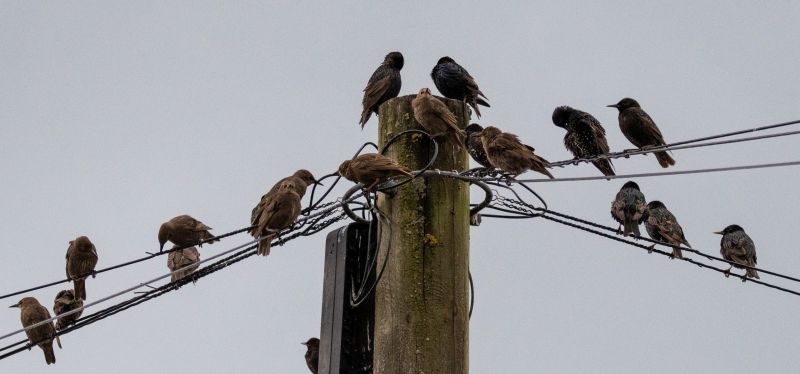
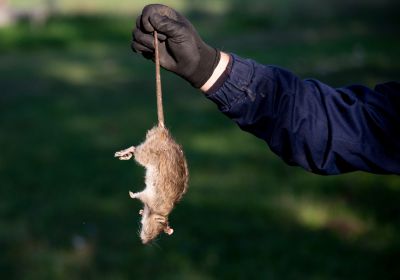
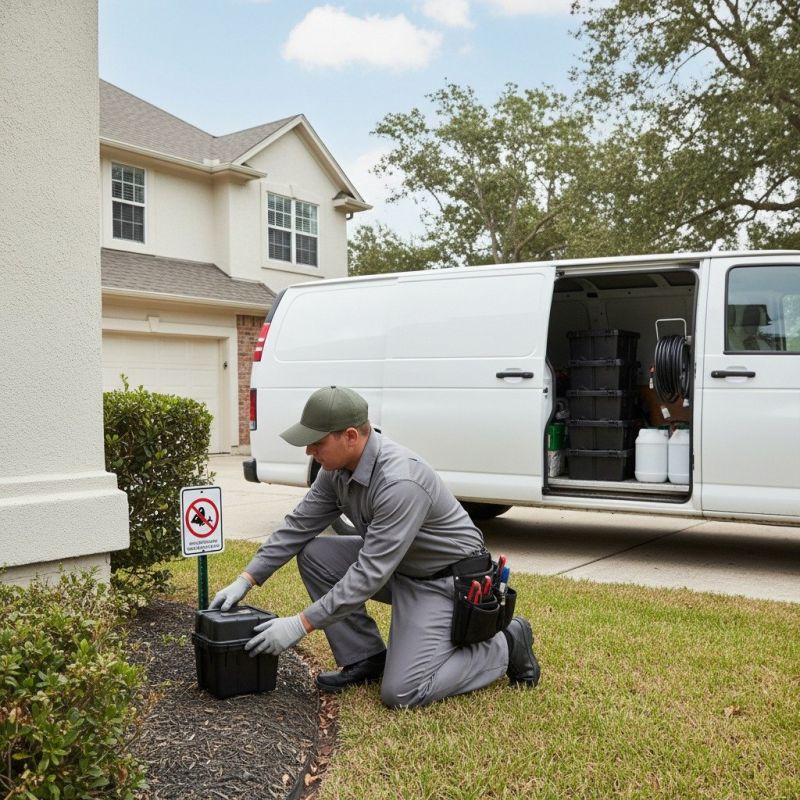
When people search for information about wildlife removal vs. pest control, they are often trying to understand which type of service is appropriate for their specific problem. Many homeowners encounter situations where animals like raccoons, squirrels, or bats have taken up residence in their attics, walls, or crawl spaces, prompting a need for wildlife removal. In contrast, pest control typically addresses issues involving insects or rodents that invade living spaces, such as ants, cockroaches, or mice. Clarifying the difference helps homeowners determine whether they need a professional to humanely remove wildlife or to eliminate pest infestations, ensuring the right approach is taken for their property.
These services are usually associated with different types of problems and planning efforts. Wildlife removal involves addressing animals that have entered a property unintentionally and are often causing damage or safety concerns. The goal is to safely and humanely remove the animals and seal entry points to prevent future visits. Pest control, on the other hand, often focuses on eradicating insects or rodents that have established colonies or infestations, with an emphasis on ongoing prevention and treatment. Homeowners may plan for wildlife removal when they notice animals in their yard or attic, while pest control is typically sought when there are visible signs of insect or rodent activity inside the home.
The types of properties that commonly come up in wildlife removal vs. pest control discussions include residential homes, especially those with attics, basements, or crawl spaces where animals may nest. Commercial properties, such as restaurants or warehouses, can also experience pest or wildlife issues, requiring targeted solutions. Rural properties, farms, and outbuildings often face different challenges and may see more frequent encounters with wildlife like birds, raccoons, or bats. Understanding the property type helps homeowners communicate their needs clearly and ensures that service providers with the right expertise can handle the specific situation effectively.
For homeowners considering wildlife removal or pest control, understanding the distinction is crucial for selecting the right service provider. Wildlife removal pros specialize in humanely trapping and relocating animals, as well as sealing entry points to prevent future issues. Pest control specialists usually focus on treating insect or rodent infestations through targeted treatments and ongoing prevention methods. Recognizing whether the problem involves animals that have entered the property or pests that are actively invading can guide homeowners to the appropriate local contractors. This clarity ensures that the chosen professionals can deliver effective solutions tailored to the specific type of problem, helping to protect the home and maintain a safe environment.
Wildlife trapping services involve capturing animals like raccoons, squirrels, and bats, utilizing skills and tools similar to those used in wildlife removal to ensure humane removal from properties.
Pest exclusion projects focus on sealing entry points and preventing pests and wildlife from re-entering structures, requiring planning and techniques comparable to wildlife prevention efforts.
Rodent control solutions address issues with mice and rats, which often overlap with pest control and wildlife removal tasks that involve identifying and managing animal access points.
Bird proofing services include installing deterrents and barriers to keep birds away, aligning with wildlife control strategies to manage avian species around buildings.
Insect and arachnid treatments involve applying targeted solutions to eliminate pests, sharing tools and planning methods used in pest control to address infestations effectively.
Habitat modification projects help reduce attractants for pests and wildlife, requiring environmental assessment skills similar to those used in wildlife management and pest prevention.
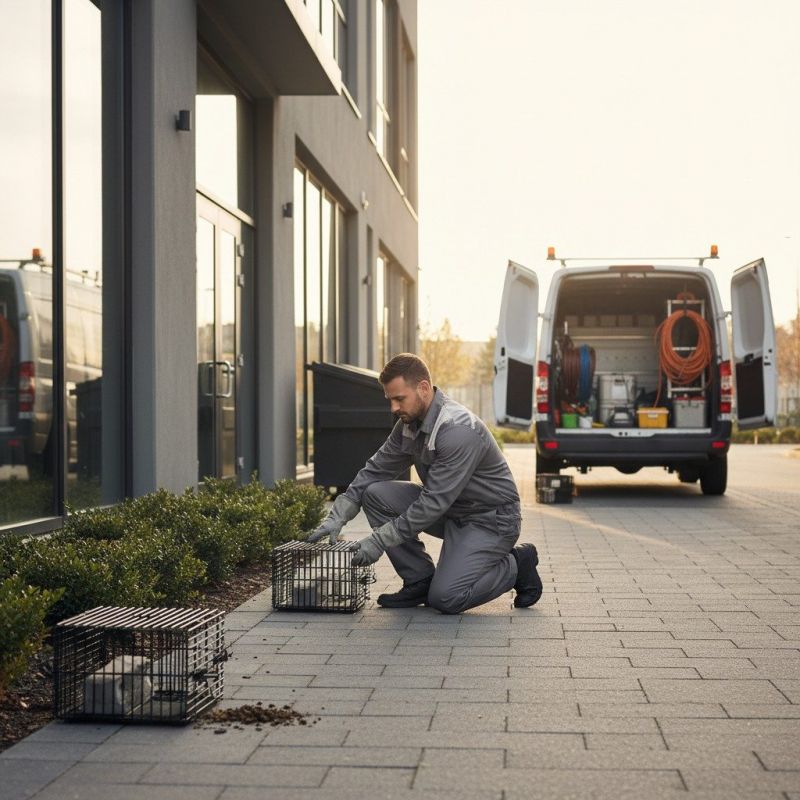
When comparing service providers for wildlife removal versus pest control, it’s important to evaluate their experience with similar projects. Different animals require different approaches, so understanding whether a contractor has handled wildlife removal or pest control jobs comparable to your situation can provide insight into their expertise. Experienced local contractors will have familiarity with the specific methods and equipment needed for each type of service, ensuring they know how to address the unique challenges presented by wildlife or pests in residential settings. This background can help ensure the work is done effectively and with minimal disruption to your home.
Clear, written expectations are essential when choosing between wildlife removal and pest control services. Reputable local providers should be able to outline the scope of work, the methods they plan to use, and any follow-up steps in a detailed, written format. This clarity helps prevent misunderstandings and ensures that homeowners are aware of what will be done and what results to expect. When comparing different contractors, ask for documentation that specifies the services included and any guarantees or warranties offered, which can serve as a helpful reference throughout the project.
Good communication and reputable references are key indicators of a reliable service provider. Local contractors who are transparent and responsive can facilitate a smoother process, making it easier to address questions or concerns as they arise. Additionally, requesting references from previous clients who had similar wildlife removal or pest control needs can provide valuable insights into the contractor’s reliability and quality of work. Well-established providers will usually be willing to share such references, helping homeowners feel more confident in their choice and ensuring that the selected professional is capable of effectively managing the specific challenges of wildlife or pest issues.
Property owners often search for wildlife removal vs. pest control: understanding the difference when they are planning practical projects around their homes and businesses. Local pros provide Wildlife Removal or Pest Control services for everyday jobs and straightforward project options.
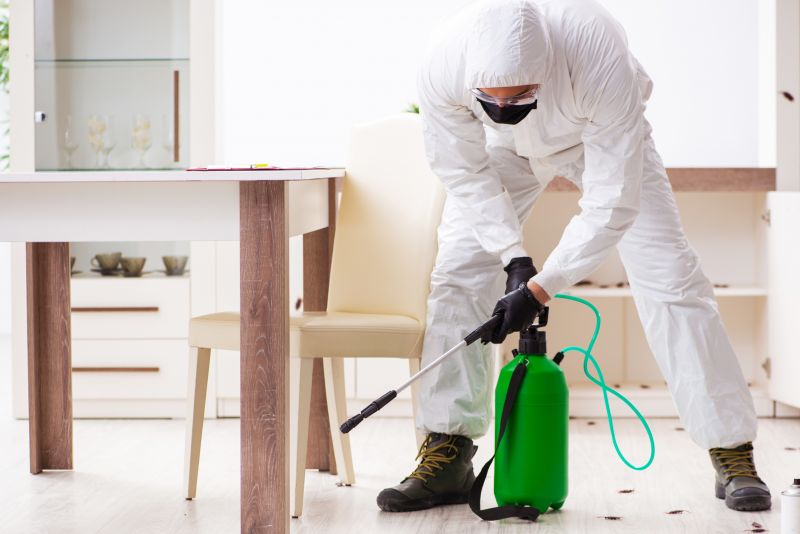
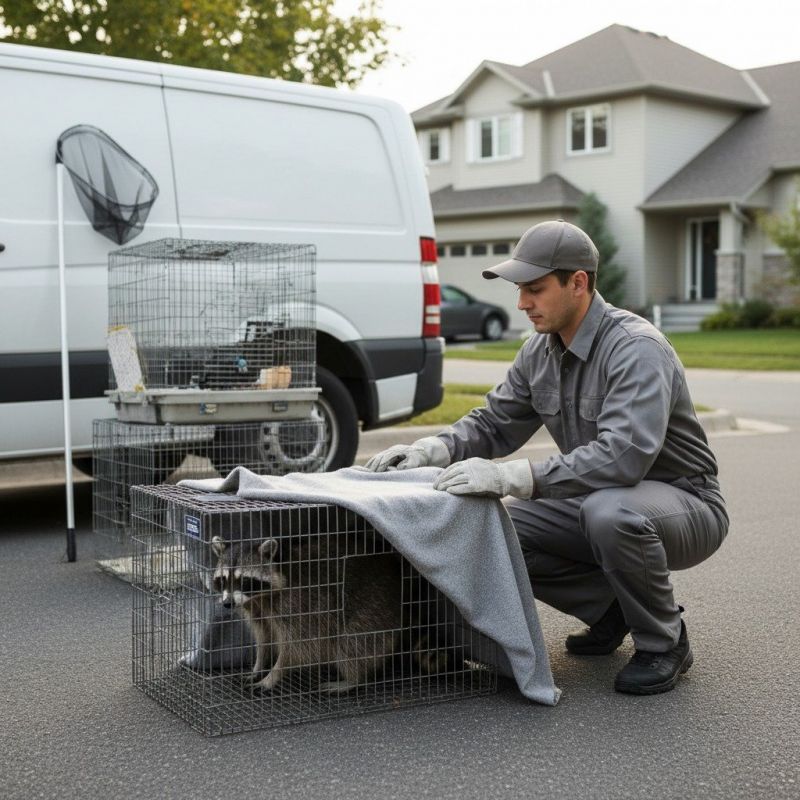
Understanding the difference between wildlife removal and pest control is important for property owners dealing with unwanted animals or insects. Wildlife removal services are typically sought when larger animals such as raccoons, squirrels, bats, or birds have taken up residence on a property, often in attics, chimneys, or trees. These situations usually require specialized techniques to safely and humanely remove animals and prevent them from returning. On the other hand, pest control services are more focused on managing smaller pests like ants, cockroaches, spiders, or termites that invade indoor spaces or cause damage to structures. Knowing which type of service is needed can help property owners choose the right local contractors to address their specific concerns effectively.
Property owners in the area often look up this topic when they notice signs of wildlife or pest activity, such as strange noises, droppings, or damage to their homes. Choosing the appropriate service helps ensure the problem is handled efficiently and safely. Local service providers that specialize in wildlife removal typically have the expertise to handle larger animals and access hard-to-reach areas, while pest control specialists are equipped to treat infestations of smaller pests with targeted solutions. Understanding these distinctions can lead to better results and help property owners connect with the right professionals for their particular situation.
What is the main difference between wildlife removal and pest control? Wildlife removal focuses on safely removing larger animals like raccoons, squirrels, or bats from properties, while pest control targets insects and smaller pests such as ants, termites, or cockroaches.
When should I consider wildlife removal instead of pest control? Wildlife removal is appropriate when larger animals have entered your property or attic, whereas pest control is suited for managing insects or small pests that infest indoor spaces.
Can local service providers handle both wildlife removal and pest control? Yes, many local contractors offer both services, allowing them to address a wide range of pest and wildlife issues depending on the situation.
Are wildlife removal and pest control services performed differently? Yes, wildlife removal often involves humane trapping and exclusion techniques, while pest control typically uses targeted treatments or barriers for insects and rodents.
Why is it important to choose the right service for my problem? Selecting the appropriate service ensures effective removal of animals or pests and helps prevent future issues by addressing the root cause of the infestation or intrusion.
Identify pest or wildlife issues - Property owners can assess whether the problem involves insects, rodents, or larger animals to determine if pest control or wildlife removal services are appropriate.
Choose the right service type - Understanding the difference helps in selecting specialists who focus on either pest extermination or humane wildlife exclusion.
Implement preventative measures - Applying appropriate barriers or habitat modifications with guidance from local service providers can reduce future invasions.
Schedule targeted treatments - Coordinating with professionals to perform specific removal or control methods ensures the problem is addressed effectively.
If you are thinking about wildlife removal vs. pest control: understanding the difference for a property, this guide is meant to help you understand this topic, the typical project types, and how different options might fit your plans.
When you are ready, you can use the quote form on this page to share a few details about your project. From there, local pros can review the basics and follow up with options that match what you have in mind.